Marketing Tours
Posted on Jul 03, 2026 4 min read

Posted on Jul 03, 2026 4 min read
When you think of Rome, your mind probably jumps from the Colosseum straight to Michelangelo. Ancient temples, Renaissance masterpieces, Baroque fountains - it can almost feel as if the Middle Ages never happened here.
But they did, and some of Rome's most remarkable churches, mosaics, and frescoes belong to those forgotten centuries in between.
The fall of the Western Roman Empire didn’t mark the end of Rome’s story. The emperors disappeared, but the city didn’t. Popes, monasteries, and pilgrims gradually reshaped it into the spiritual heart of Western Christianity, and with them came an entirely new artistic language.
The marble temples and imperial monuments of ancient Rome gave way to glittering church apses, saints set against gold backgrounds, and walls filled with biblical stories. Medieval artists weren’t trying to recreate the visible world as realistically as possible. Gold backgrounds became the norm, figures grew more frontal and timeless, and every detail was designed to communicate meaning as much as beauty.
But medieval art didn’t stand still. By the late 13th century, artists like Pietro Cavallini were already experimenting with emotion, movement, and naturalism - the first hints of the Renaissance that was about to blossom.
So where can you actually find that medieval Rome today?
To understand what early medieval Rome looked like, there’s no better place to start than Santa Prassede.
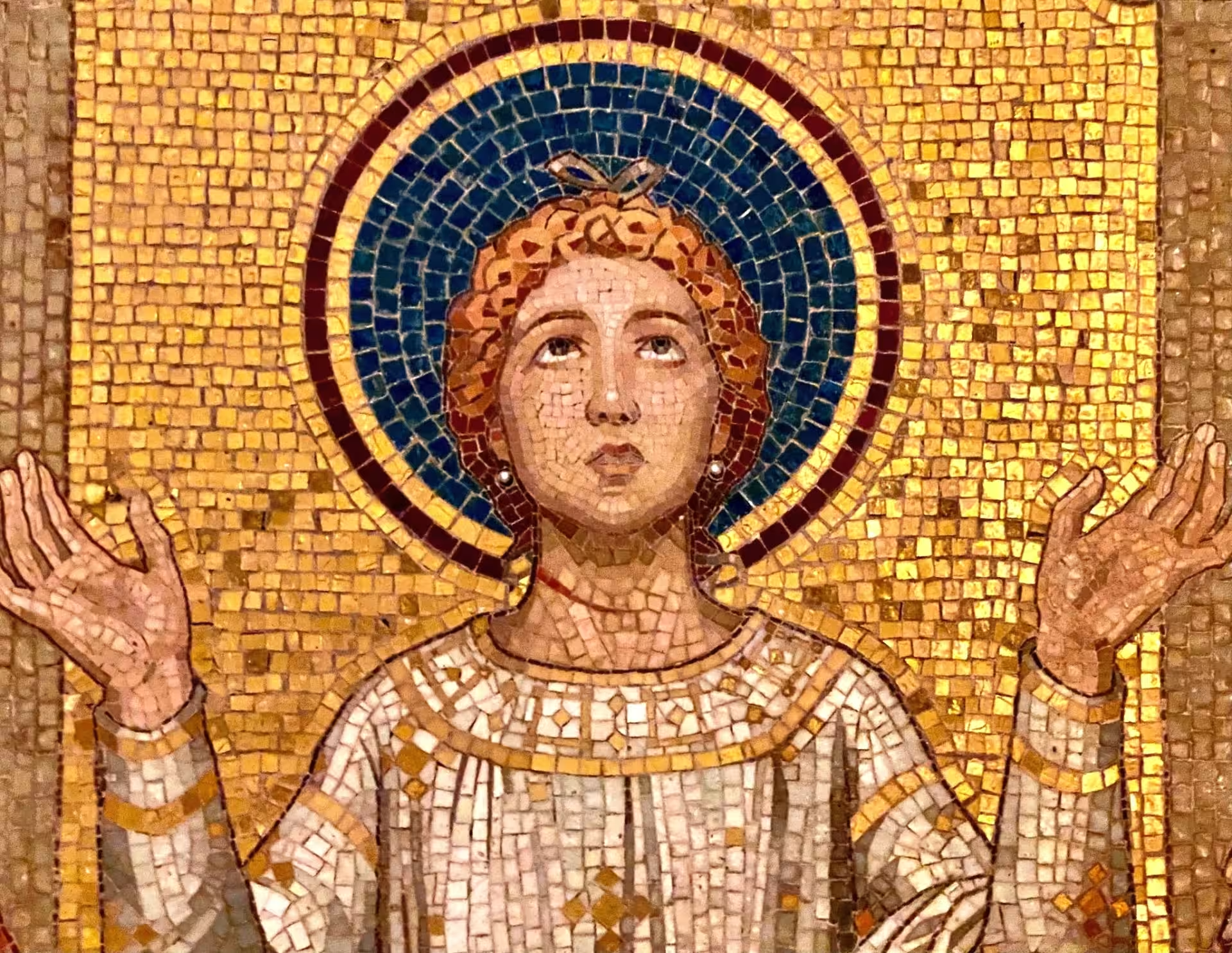
The moment you step inside, you’re surrounded by shimmering ninth-century mosaics that feel worlds away from Raphael or Michelangelo. Saints stand frontally against brilliant gold backgrounds, their expressions calm and timeless, following the traditions of Byzantine art rather than classical realism.
The real masterpiece, however, is the tiny Chapel of Saint Zeno. Covered almost entirely in gold mosaics, it is one of the finest surviving Byzantine spaces anywhere in Rome - and also one of the easiest to overlook.
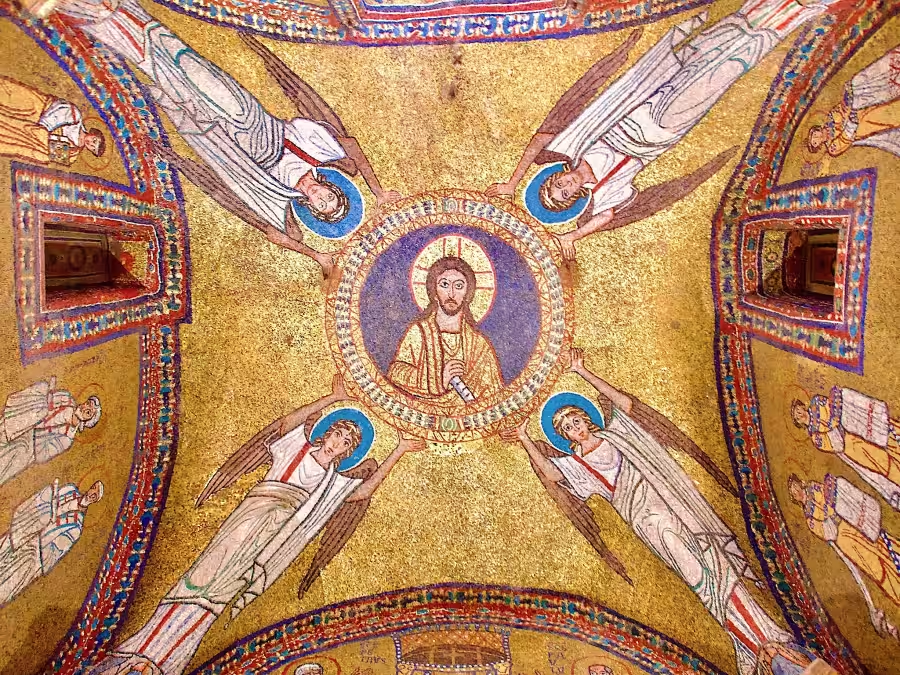
But medieval Rome wasn’t only defined by glittering mosaics. It also built churches and monasteries that still preserve the atmosphere of the Middle Ages remarkably well.
Hidden on the Caelian Hill, Santi Quattro Coronati feels almost like a fortress. High walls shield quiet courtyards, cloisters create an atmosphere of complete calm, and the whole complex feels remarkably untouched by the busy city outside.
Behind those walls are some of Rome's finest medieval frescoes. The 13th-century Chapel of Saint Sylvester tells the story of Emperor Constantine through vivid Gothic frescoes, while the extraordinary Aula Gotica - hidden for centuries before being rediscovered - reveals another spectacular cycle of medieval paintings that few ever see.
It's one of those places that reminds you just how much of medieval Rome is still hiding in plain sight.
If Santi Quattro Coronati captures the atmosphere of medieval Rome, San Clemente brings together some of its greatest artistic treasures.
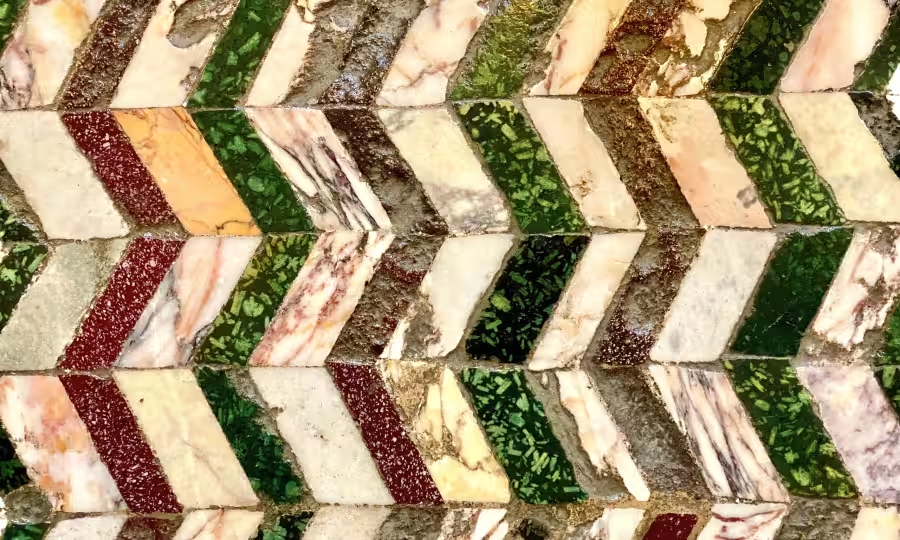
Step inside and your eyes are immediately drawn upward. The magnificent 12th-century apse mosaic bursts with twisting golden vines, birds, saints, and layers of rich symbolism. But don’t forget to look down as well: beneath your feet lies one of Rome’s beautiful Cosmatesque marble floors, another hallmark of the city’s medieval craftsmanship.
Descend into the lower basilica and another medieval world appears. Remarkably well-preserved 9th-century frescoes still glow with surprisingly fresh colours, with scenes such as the Ascension and the Madonna and Child offering a rare glimpse into the artistic world that flourished in Rome centuries before the Renaissance.
Together, the mosaics above and the frescoes below make San Clemente one of the richest places anywhere in Rome to experience the city’s medieval past.
By the late 13th century, something begins to shift.
The best person to follow is Pietro Cavallini, one of the greatest artists working in Rome before the Renaissance. His works almost let you watch a new artistic language being born, bridging Byzantine tradition and the naturalism that would soon define Renaissance art.
Inside Santa Maria in Trastevere, his magnificent apse mosaics still shimmer with medieval gold, but the figures already feel different from those of Santa Prassede. Their faces carry more expression, their bodies more weight, and their gestures feel increasingly natural.
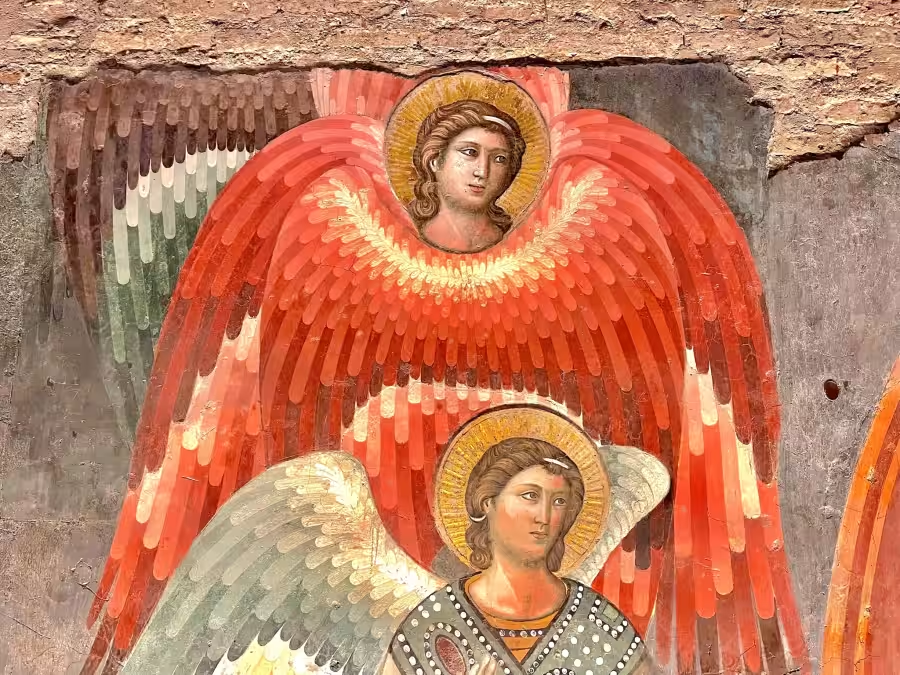
Just a few streets away, in Santa Cecilia in Trastevere, you’ll find his remarkable Last Judgement fresco that takes those same ideas even further. Although only fragments survive today, it’s still one of the clearest places to watch medieval painting begin to change. Curious to look closer? We explore Cavallini’s fresco in depth here.
Standing between these two churches, you can almost watch medieval art taking its first steps toward the Renaissance.
Once you know what to look for, medieval Rome suddenly stops feeling invisible.
You begin noticing glittering apses where you once saw only churches, hidden frescoes behind quiet walls, and artists quietly laying the foundations for the Renaissance centuries before Michelangelo ever picked up a brush.
Ancient Rome and the Renaissance may steal the spotlight, but between them lies nearly a thousand years of history that’s every bit as rewarding to discover. Quieter, easier to overlook, but no less fascinating.