Marketing Tours
Posted on May 02, 2026

Posted on May 02, 2026
If you've ever dreamed of walking the streets of the ancient Roman world, Pompeii probably comes to mind first - the city famously frozen in time by the eruption of Mount Vesuvius in 79 AD. But just half an hour from Rome, Ostia Antica offers an experience every bit as captivating: quieter, closer, and steeped in history.
Both cities were once thriving centres of Roman life and lay hidden for centuries before being rediscovered. Yet visiting them feels entirely different. Here's what makes each one unique and which might suit your trip best.

Pompeii is unforgettable. Grand, cinematic, and profoundly moving, it’s a city stopped in its tracks by disaster. You walk past the remains of villas adorned with vivid frescoes, stand in public baths that still echo with ancient voices, and see the haunting plaster casts of its inhabitants - a visceral glimpse of life abruptly ended.
It’s one of the world's most remarkable archaeological sites: vast, evocative, and emotionally powerful. That same grandeur also makes it a demanding visit: the site sprawls across a wide area, some highlights are roped off, and summers can be hot with little shade. Comfortable shoes, plenty of water, and a bit of patience will help you make the most of your visit.
For many, Pompeii is a once-in-a-lifetime experience, ideal if you’re already in southern Italy: Naples, Sorrento, or along the Amalfi Coast. A day trip from Rome is possible, but keep in mind it’s a long day and can feel a little rushed.
Ostia Antica tells a quieter story. This was once Rome’s bustling port - a hub of warehouses, shops, and homes - that gradually faded as the Tiber shifted and trade routes changed. No eruption, no tragedy, just the gentle passage of time.
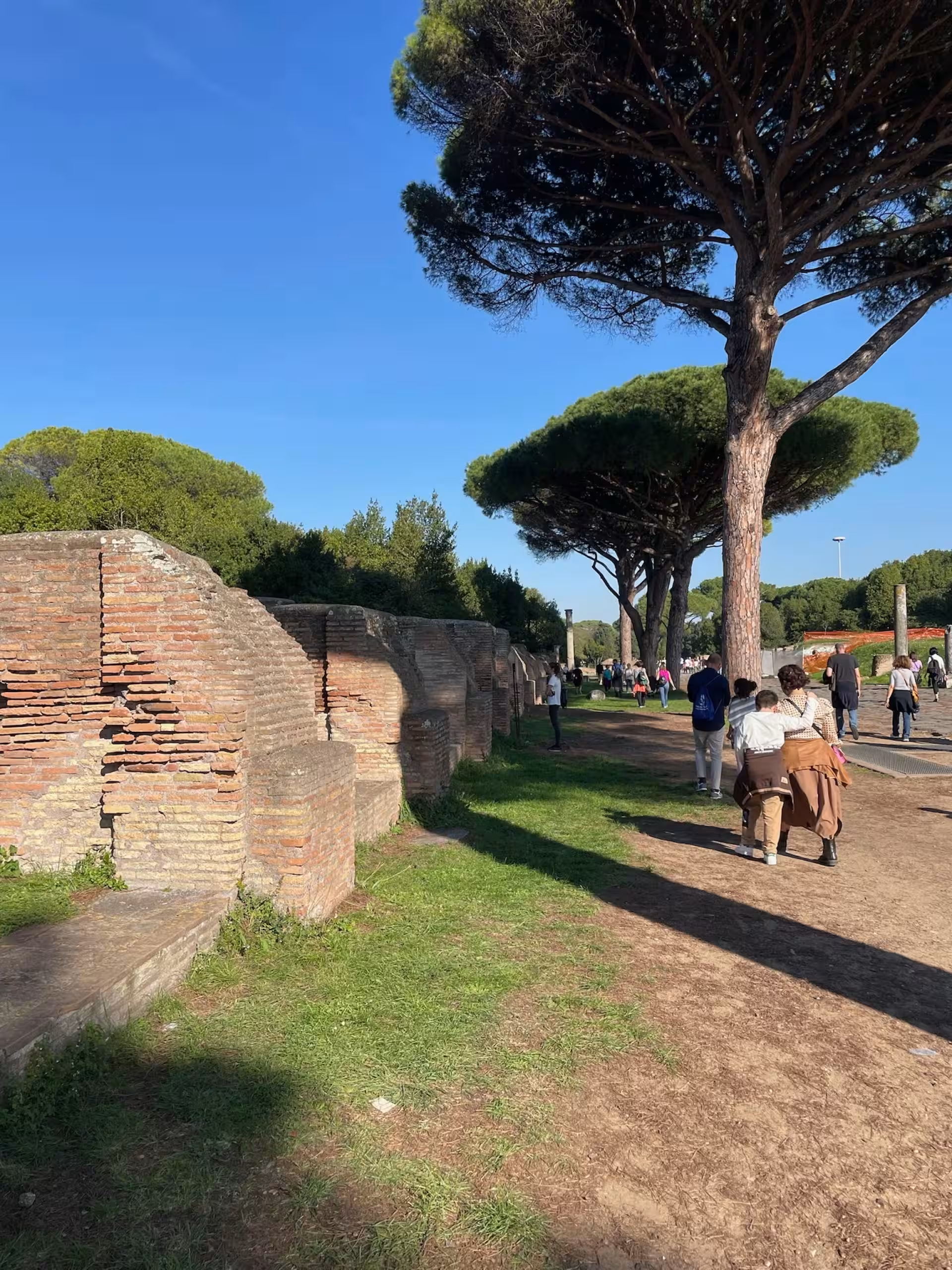
Exploring Ostia Antica feels almost like wandering a forgotten neighbourhood. Ancient apartment blocks still rise two or three stories high. Taverns, bathhouses, and mosaic-floored homes are open to explore. You can climb staircases, peek into frescoed rooms, and even sit in the old theatre to soak in the quiet. With few restrictions and hardly any crowds, it’s easy to imagine daily life here two millennia ago.


Shaded by cypress and pine trees and compact enough to explore in a few hours, Ostia Antica is the perfect half-day escape: immersive, intimate, and surprisingly close. You can reach it in about 30 minutes from central Rome: take the direct Roma-Lido train from Piramide metro station, get off at Ostia Antica, and follow a short walk to the entrance.
Both are extraordinary windows into ancient life. Pompeii impresses with scale, drama, and tragedy - the Rome of history books and films. Ostia Antica charms with intimacy, calm, and authenticity. A city you can wander freely, imagining life as it slowly faded away.
If you have the time and are already heading south, Pompeii is absolutely worth seeing once. But if your base is Rome and you want to experience ancient life without the crowds or long travel, Ostia Antica is a gem. It’s more relaxed, atmospheric, and wonderfully underrated.
Ready to step back 2,000 years in time? Our guided tour brings the city to life through its buildings, mosaics, and streets, revealing the rhythms of daily life in ancient Rome.